
Looking for reliable furniture movers? Discover expert tips, types, and practical advice to move your furniture movers safely, efficiently, and stress-free.

Moving furniture movers is one of those things that always sounds easier than it actually is. I’ve tried it myself a few times, lugging sofas up stairs and wrestling with dressers, only to end up exhausted, frustrated, and with a few scratches on both the furniture and my walls. That’s when I realized: professional furniture movers aren’t just convenient they’re lifesavers.
In this guide, I’ll walk you through everything you need to know about furniture movers, from the different types to the equipment they use, insider tips, and even how to pick the right furniture movers for your situation. I’ll sprinkle in some real-life stories and lessons I’ve learned the hard way so you don’t have to repeat my mistakes.
Introduction to Furniture Movers
Furniture movers are experts who lift, transport, and deliver furniture safely, whether it’s for a small apartment or a large office. Their job goes beyond just carrying items—they plan the move, protect your belongings, and often even assemble or disassemble furniture.
From my experience,if we hire furniture movers even moving a single bed can turn chaotic without proper planning. Hiring furniture movers saves time, reduces stress, and protects both your back and your belongings. Trust me, after watching a friend injure himself trying to move a 200-pound armoire, I’m never going back to DIY moving for anything heavy.
What Are Furniture Movers?

At the simplest level, furniture movers are people or companies that specialize in handling furniture movers relocations safely and efficiently. They come with the experience, equipment, and knowledge that the average person simply doesn’t have.
Benefits of hiring furniture movers:
-
- Safety: Avoid injuries caused by heavy lifting
-
- Protection: Reduce the risk of scratches, dents, or breakage
-
- Efficiency: Save hours or even days of work
-
- Insurance: Many Furniture movers provide coverage for damaged items
“I once thought I could manage moving a couch myself. Big mistake. By the end of the day, I was sore and frustrated and my walls bore the scars.”
Types of Furniture Movers
Not all furniture movers are the same. Here’s a breakdown:
Local Furniture Movers
Best for short-distance furniture movers moves within the same city or town. Usually charged hourly.
Long-Distance Furniture Movers
Specialize furniture movers in moves across states or regions. Cost is typically based on weight and distance.
Residential Furniture Movers
Focus on home furniture, often including packing and minor assembly.
Office Furniture Movers
Handle desks, cubicles, and electronics. Efficiency is key to minimize downtime.
Specialized Furniture Movers
-
- Piano furniture movers: Need specialized dollies and careful planning
-
- Antique furniture movers: Protect delicate or valuable items with padding and climate-controlled transport
Same-day movers: For urgent relocation needs
Example: I watched antique movers navigate a 19th-century armoire through a narrow doorway. They used padding, straps, and careful coordination it was like watching a choreographed dance.
Equipment and Tools
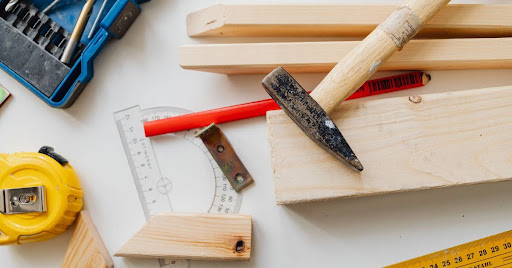
Professional furniture movers rely on specialized equipment:
| Equipment | Purpose |
| Moving trucks | Safe transport over distances |
| Dollies & hand trucks | Make heavy lifting manageable |
| Straps & tie-downs | Secure items during transit |
| Furniture pads & wraps | Protect surfaces from scratches |
| Loading ramps | Smooth entry and exit of heavy items |
| Labor crew | Skilled individuals for lifting, packing, and assembly |
Synonyms and Alternative Terms
When searching for movers, you might encounter:
-
- Moving furniture movers company
-
- Furniture removal service
-
- Household movers
-
- Removalists (common in UK/Australia)
-
- Relocation service
All refer to professionals handling furniture transport, but may differ slightly in regional usage or services offered.
Antonyms: DIY Moving
DIY moving might save money, but risks often outweigh benefits.
Common pitfalls of DIY:
-
- Broken furniture movers
-
- Scratched floors and walls
-
- Personal injuries
-
- Longer move times
Hiring furniture movers ensures your items are safe and your back isn’t paying the price.
Common Collocations
Phrases that often appear with furniture movers include:
-
- Professional furniture movers
-
- Affordable furniture movers
-
- Local furniture movers
-
- Licensed and insured furniture movers
-
- Reliable furniture movers
These words build trust and credibility, which is crucial when searching for furniture movers services online.
Connotations of Furniture Movers
When you think of furniture movers, the following come to mind:
-
- Safety: Protect both people and furniture
-
- Efficiency: Moves happen faster and smoother
-
- Relief: Less physical effort and stress
-
- Professionalism: Knowledgeable, experienced, and accountable
Personally, hiring furniture movers turned a chaotic moving day into an organized, surprisingly smooth experience.
Semantically Related Entities
Furniture movers operate within a network:
-
- Storage facilities: Temporary holding of furniture
-
- Packing companies: Provide boxes, bubble wrap, and tape
-
- Logistics coordinators: Plan routes and timing
-
- Insurance providers: Cover damages
-
- Freight carriers: Long-distance transport
Understanding these connections helps you plan a move that’s both safe and efficient.
Common Attributes
Most furniture movers share these characteristics:
-
- Expertise in lifting heavy items
-
- Proper equipment usage
Damage prevention techniques
-
- Coordination skills
-
- Physical stamina
Rare and Unique Attributes
Some furniture movers provide specialized services:
-
- Climate-controlled transport for antiques
-
- White-glove handling
-
- Custom crating
-
- Navigating narrow staircases and tight doors
I once watched movers maneuver a delicate glass table like it was nothing precision at its finest.
How to Choose the Right Furniture Movers
Checklist for hiring:
-
- Licensing & insurance – Protects against accidents and damage
-
- Reviews & reputation – Check online and word-of-mouth
-
- Transparent pricing – Avoid hidden fees
-
- Experience – Especially for antiques or office furniture
-
- Professionalism – Timeliness, communication, and respect
Cost Factors
Furniture movers’ pricing depends on:
| Factor | Impact on Cost |
| Distance | Longer moves cost more |
| Volume & weight | Heavier items increase cost |
| Labor hours | More movers = higher fees |
| Special handling | Pianos, antiques, and fragile items cost more |
| Access difficulty | Narrow doors, stairs, or elevators add charges |
| Factor | Impact on Cost |
| Distance | Longer moves cost more |
| Volume & weight | Heavier items increase cost |
| Labor hours | More movers = higher fees |
| Special handling | Pianos, antiques, and fragile items cost more |
| Access difficulty | Narrow doors, stairs, or elevators add charges |
Practical Applications
Furniture movers aren’t just for homes:
-
- Residential moves: Apartments, houses, dorms
-
- Office moves: Desks, servers, cubicles
-
- Urgent moves: Same-day relocations
-
- High-value items: Pianos, artwork, antiques
Misconceptions About Furniture Movers
-
- “They’re too expensive” – True sometimes, but worth the cost for safety
-
- “DIY is faster” – Usually slower and riskier
-
- “Movers don’t care” – Reputable furniture movers prioritize protection; reputation is everything
Future Trends
-
- Tech adoption: GPS tracking, inventory apps, online booking
-
- Sustainability: Reusable packing, eco-friendly trucks
-
- Specialized services: White-glove, climate-controlled, antiques
-
- Data-driven efficiency: Route optimization and planning
Final Thoughts
Hiring furniture movers is more than convenience it’s about safety, efficiency, and peace of mind. From my own experience, nothing beats watching trained movers handle heavy, awkward furniture with care, planning, and speed.
Pro tip: Even if you think you can handle a wardrobe alone, ask yourself do you want bruised arms, scratched walls, or broken furniture? For me, the answer is always yes to professional movers.